Beekeeping-for-beginnersCall (430) 783-6055

Tree Service in Longview, TX

The Right Tree Service, Matched to the Tree You Have

Not every tree needs the same fix. We look at your loblolly pine, water oak, or storm-split pecan and tell you which service actually solves it, then price it in writing. Serving Longview and Gregg County.

  • ISA Certified Arborist
  • 24/7 storm response
  • Licensed and insured
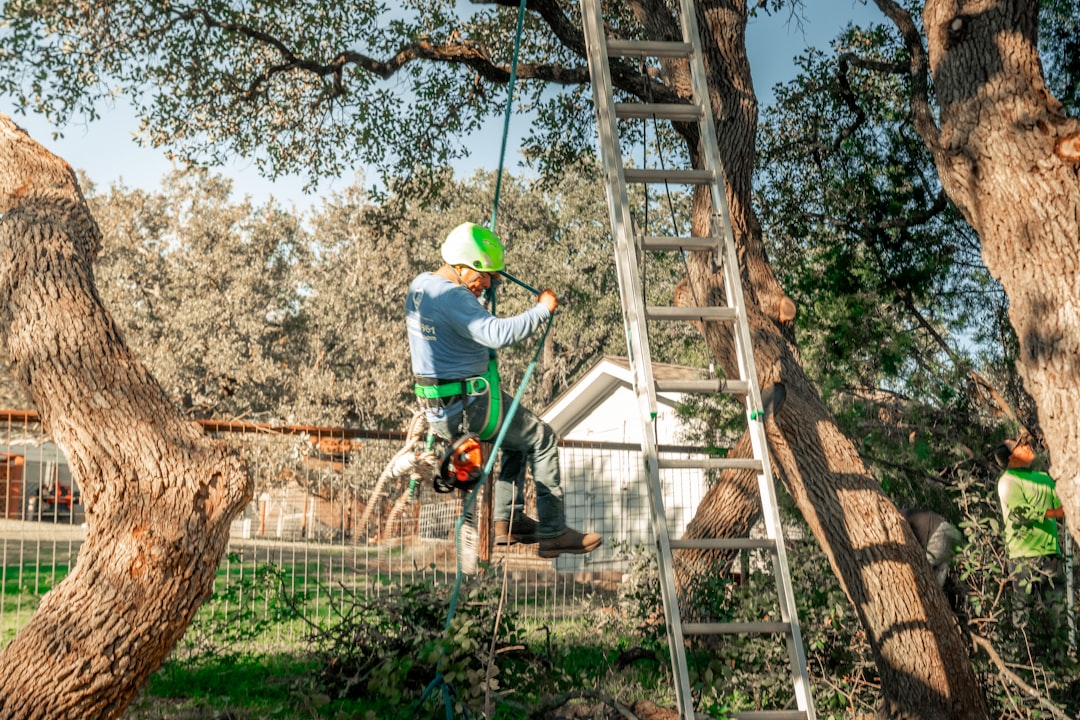
Arborist matching the right tree service in Longview, TX

Rooted Advice

Beginner friendly answers to the tree questions Longview homeowners ask most.

How to Match the Right Tree Service to the Tree You Have
Longview arborist inspecting a tree to match the right service

Most tree problems get solved faster once you know which service they call for. Homeowners around Longview often ask for a removal when a reduction cut would do, or a trim when the tree is already past saving. Here is how to read your own tree before you call, using the same logic our arborists use off Gilmer Road every week.

Start With the Species

East Texas yards run heavy to loblolly and shortleaf pines, post oaks, water oaks, sweetgums, and pecans, and each fails in its own way. Pines are shallow-rooted and uproot in saturated soil, oaks split at co-dominant unions, and sweetgums shed deadwood. Naming the species narrows the likely fix before anyone climbs.

Check the Trunk and Root Collar

Walk to the base and look at the flare where the trunk meets the ground. A mushroom-like conk, a hollow that echoes when you knock, or soil heaving on one side are signs of a tree that is a removal, not a trim. A firm base with sound bark usually means the tree can be kept and managed.

Read the Canopy

Deadwood over a driveway is a pruning job. A crowded canopy blocking the roof is crown thinning or raising. A limb that has grown too long and heavy is a reduction cut. If more than half the crown is dead, though, the tree has told you it is done, and our tree removal crew is the right call.

Look for Weak Unions

Two trunks growing from one point with bark pinched between them, called included bark, is a classic split risk. A steel cable and bracing rods can hold that union together for years. This is where cabling saves a tree that a homeowner assumed had to come down.

When in Doubt, Get It Assessed

Reading a tree takes practice, and a wrong guess near a house on Estes Parkway is expensive. An ISA Certified Arborist confirms the species, the condition, and the safest method, then prices it in writing. If you are unsure what your tree needs, contact us and we will match the service to the tree.

Call Beekeeping-for-beginners at (430) 783-6055 for a free, no pressure assessment anywhere in Longview and Gregg County.

Read the full article

Matching the Right Service to Your Tree

Start with the tree and its condition, and the correct service usually names itself. Here is how the six things we do most map to the problems East Texas trees actually have.

Tree Removal

For a dead loblolly pine, a hollow post oak, or a trunk split past saving, we fell and dismantle it, rigging heavy sections down piece by piece when it stands close to the house.

Tree Trimming and Pruning

For a healthy tree with crowding limbs or deadwood, crown thinning, raising, and reduction cut at the branch collar to ANSI A300 keeps it sound and clears the roof.

Stump Grinding

For the leftover stump after a removal, we grind 4 to 12 inches below grade to stop regrowth and the trip hazard, then backfill or haul the grindings.

Cabling and Bracing

For a co-dominant sweetgum or a pecan with included bark, steel EHS cable and threaded rods support the weak union so it does not split in the next ice load.

Emergency Storm Damage

For a tree already on a roof, a drive, or a fence after a Gregg County storm, we respond around the clock and clear the hazard first.

Tree Health Care

For a stressed or declining tree, diagnosis and treatment including deep-root fertilization and trunk injection for pests like emerald ash borer can turn it around.

Beekeeping-for-beginners provides tree service in Longview, TX, and we sort every job by the tree in front of us rather than a one size fits all quote. That means tree removal, crown thinning and deadwooding, stump grinding, cabling and bracing, storm damage cleanup, and plant health care, matched to the species and the shape it is in. A young pecan with a weak fork is a bracing job. A dead loblolly pine leaning over the garage is a rigging job. A double-trunk sweetgum with included bark is a candidate for a cable before it splits. Homeowners near Harrison Road, out toward Pine Tree Road, and across the older canopy in Spring Hill call us because we name the right service instead of defaulting to the saw.

This is a buyer's guide as much as a service page, because the tree problems we see most in East Texas fall into a handful of patterns. Loblolly and shortleaf pines grow tall and shallow-rooted, so they uproot in saturated soil after a spring squall rolls through Gregg County. Post oaks and water oaks hold co-dominant stems that split at the union when a heavy limb loads up with ice. Sweetgums drop deadwood over driveways, and pecans shed large limbs in high wind. Knowing which pattern you are looking at tells you whether the answer is a reduction cut, a support system, or a full removal off McCann Road before the next storm decides for you.

The hardest call a property owner faces is when to remove and when to save, and we treat that honestly. A tree with a firm root plate, a single sound trunk, and a canopy that can be reduced usually stays, because a healthy shade tree is worth real money on a lot near Judson Road. A tree with a hollow base, a fungal conk at the flare, girdling roots, or more than half its crown dead is past saving, and pretending otherwise just delays a hazard. An ISA Certified Arborist walks the trunk, checks the root collar, and gives you the reasoning, not just a verdict. You leave the conversation knowing why a tree earns a cable or a chainsaw.

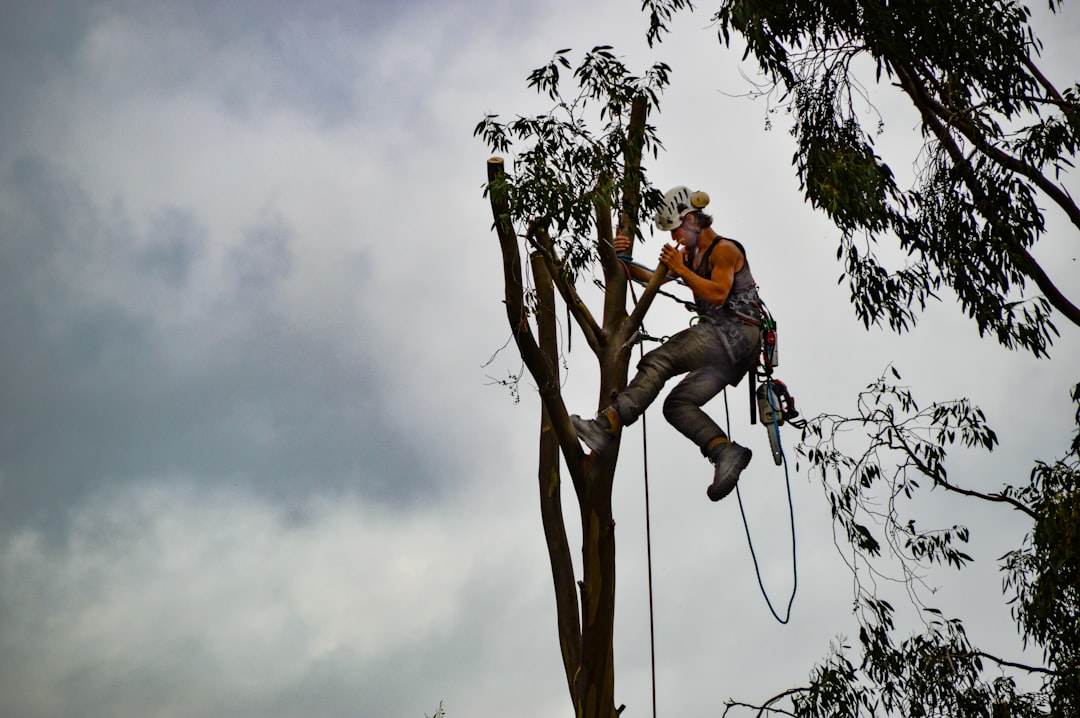
Once the service is matched, the tools, rigging, and materials decide how cleanly it gets done. Our climbers run arborist rope and half-inch double-braid rigging line to lower heavy sections piece by piece near a structure, steel EHS cable and threaded bracing rods for weak unions, and a stump grinder that takes the leftover stump 4 to 12 inches below grade. We cut at the branch collar and skip wound paint, following current ANSI A300 practice, and we work under ANSI Z133 safety rules. Brush goes through the chipper, the wood gets hauled, and the yard on Cotton Street gets raked before we pull away. The right gear on the right tree is the difference between a clean job and a mess left at the curb.

  1. Service matched to the treeWe name the fix that fits your species and its condition, whether that is a reduction cut, a cable, or a full removal.
  2. Remove or save, explainedAn ISA Certified Arborist checks the root collar and trunk and tells you the reasoning behind keeping a tree or taking it down.
  3. Proper rigging and materialsArborist rope, steel EHS cable, and a stump grinder used to ANSI A300 and Z133 standards, not shortcuts.
  4. Storm response, day or nightWe answer 24/7 for uprooted pines, split trunks, and limbs on roofs across Longview and Gregg County.

What Different Tree Jobs Cost

Price follows the tree, not a flat menu. Size, how close it stands to a structure, and whether a crane or heavy rigging is needed all move the number. Stump grinding commonly runs $3 to $5 per inch of diameter, and storm or after-hours calls carry a premium for the response. These ranges are typical for the Longview area, and we put the firm figure in writing after a free on-site look.

Trimming and stump grinding$100 to $1,200Tree removal$300 to $4,000+ per treeEmergency storm response$500 to $5,000+ per job
  • Pruning to ANSI A300 standards
  • Stumps ground below grade
Get matched
  • Small drops to crane-assisted takedowns
  • Wood and brush hauled away
Get matched
  • 24/7 response, day or night
  • Trees cleared off roofs and drives
Get matched

The Longview Area We Serve

We cover Longview and the surrounding Gregg County communities, plus the nearby towns along the US 259 and I-20 corridors. From the mature canopy in Green Acres and Spring Hill to newer lots out past Hawkins Parkway, we match the service to the tree wherever it stands. If a tree is already on the ground, we can usually be out the same day.

  • Longview, TX (75601, 75602, 75603, 75605)
  • Kilgore, TX
  • White Oak, TX
  • Gladewater, TX
  • Hallsville, TX
  • Gilmer, TX
  • Easton, TX

Not sure if your address is in range? Call (430) 783-6055 and we will tell you straight.

A Homeowner's Questions, Answered

How do I know which service my tree actually needs?
It comes down to species and condition. A healthy tree with crowding limbs needs pruning, a weak co-dominant union needs a cable, and a dead or hollow trunk needs removal. An ISA Certified Arborist looks at the root collar, the canopy, and any decay, then names the fix that fits rather than defaulting to a takedown.
How much does it cost to remove a tree in Longview?
It depends on height, trunk diameter, and how close the tree stands to the house or a power line. A small ornamental under 30 feet is a straightforward drop, while a mature pine or post oak may need a crane or piece-by-piece rigging. We give a firm written price after a free look off your address near McCann Road or wherever you are.
Can you save my tree, or does it need to come down?
Often we can save it. A firm root plate, a sound single trunk, and a canopy we can reduce usually mean the tree stays. A hollow base, a fungal conk at the flare, or more than half the crown dead usually means it should come down before it fails on its own.
Do you need a permit to remove a tree on my property?
For a tree on private residential land in Longview, a permit is usually not required, though protected or heritage trees and commercial lots can differ. We help you confirm before we schedule so there are no surprises.
Are you licensed and insured?
Yes. We are a licensed and insured local company carrying general liability and workers coverage, and we are glad to send our certificate of insurance before the crew arrives at your address on Airline Road or anywhere in Gregg County.
Do you grind the stump, or is that separate?
Grinding is often quoted separately, priced around $3 to $5 per inch of stump diameter. We tell you upfront on the estimate whether the stump is folded into your removal price or billed on its own.
How fast can you reach a fallen or storm-damaged tree?
We answer 24/7, and for a tree on a roof or blocking a driveway in Longview we can usually be out the same day. Call (430) 783-6055 and describe the hazard so we bring the right rigging and gear.
What do you do with the wood and debris?
Brush goes through the chipper, and we haul the wood off unless you want it kept for firewood. We rake the work area on Fourth Street or wherever the job is before we leave, so you are not left with a pile at the curb.
When is the best time to trim my trees?
Late winter dormancy is ideal for most East Texas shade trees, but hazard limbs and storm damage get handled any time of year. We avoid pruning oaks during the high-risk oak wilt window when we can, which protects the tree long term.

Get Matched With the Right Service

Tell us what you are seeing, a leaning pine, a split fork, a dead limb over the driveway, or a tree the last storm loosened, and we will walk your property, name the service that actually fixes it, and put a clear price in writing. For a tree already on the ground, we respond day or night across Longview and Gregg County.